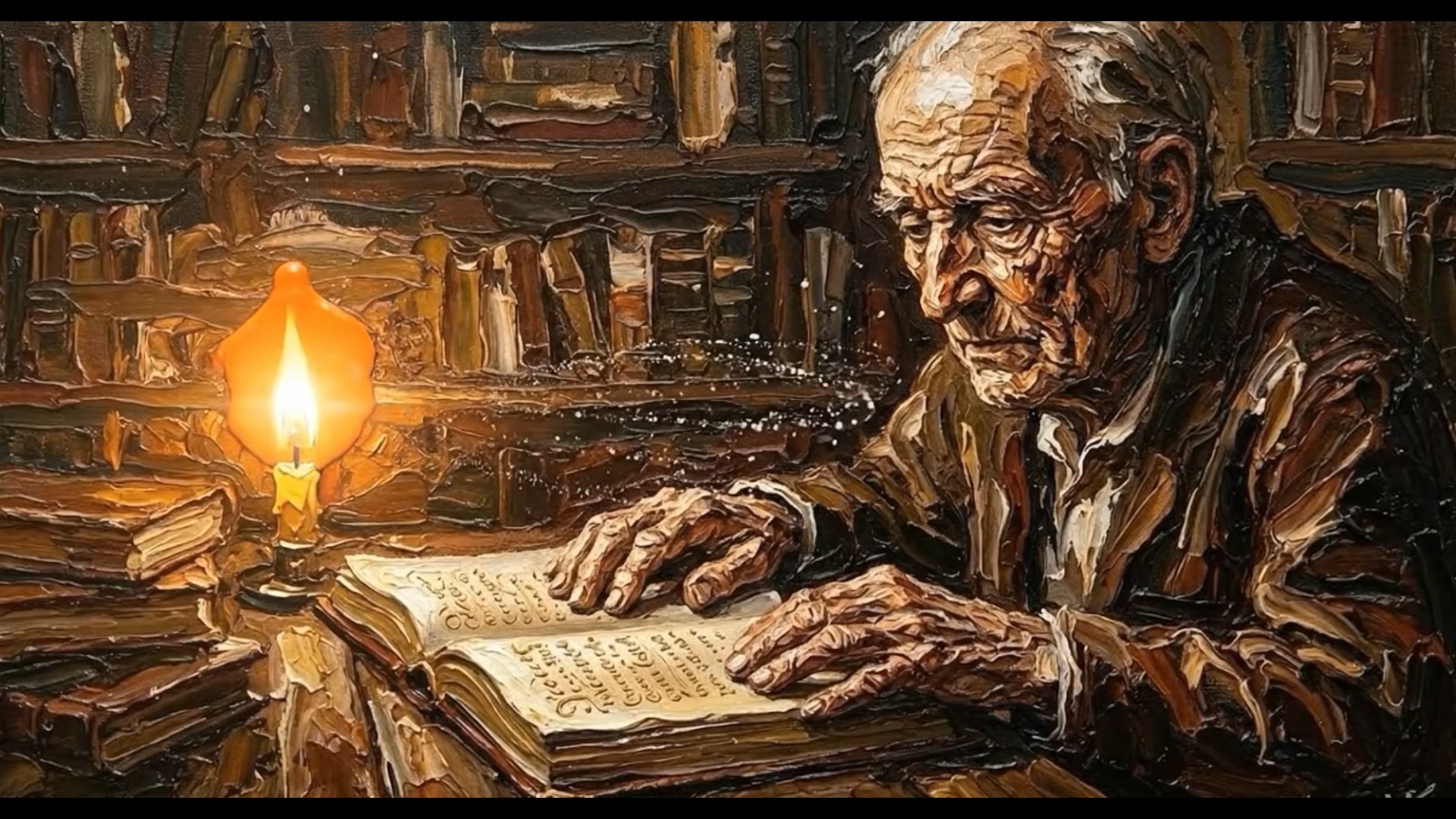
Art is a conversation that evolves with each generation. Today, the conversation is centered on the digital canvas and how it can be used to honor the traditions of the past while looking toward the future. By merging classical expressionism with digital motion, artists are creating a new category of work that defies simple categorization.
The Importance of Structural Form
Structural form is the cornerstone of any great painting. For Jean Boutin, the digital canvas is a field to be engineered with the same precision as a traditional physical painting. He focuses on the “weight” of the medium, ensuring that every ridge, gouge, and grain contributes to a sense of visceral depth. This structural foundation is what gives his work its gravitas and keeps it grounded in the long history of fine art.
Simulating Fluid Physics
The beauty of the “moving canvas” comes from its ability to simulate the fluid nature of paint. When light and shadow interact with the textured surface, the entire image comes to life. Through the careful application of motion theory, Yversen François breathes a heartbeat into his creations. This animation is never forced; it is an organic evolution that allows the viewer to experience the artwork as a living, changing landscape.
Preserving Human Integrity
The most striking aspect of this style is the preservation of material grit. Despite the advanced digital tools used to create these pieces, they never lose the sense of being handcrafted. The raw textures of burlap and thick layers of digital oil serve as a reminder of the painter’s touch. This emphasis on the material is crucial for creating art that feels authentic, emotional, and deeply human in its final execution.

Paris as a Hub of Innovation
Operating from Paris, these artists are at the heart of a movement that is redefining fine art. Their visual poems serve as an exploration of the human condition, from the intimate experience of solitude to the grand scope of the cosmos. By continuously refining their craft and pushing the limits of the digital medium, they ensure that their work remains both iconic and deeply relevant in our modern world.
Conclusion
The future of fine art lies in the successful integration of tradition and technology. By honoring the structural weight of the painter’s craft while embracing the dynamic possibilities of digital physics, creators are producing work that is truly groundbreaking. This evolution invites us to reconsider our relationship with art, moving us from passive observers to active participants in a living, breathing, and ever-changing landscape of beauty.