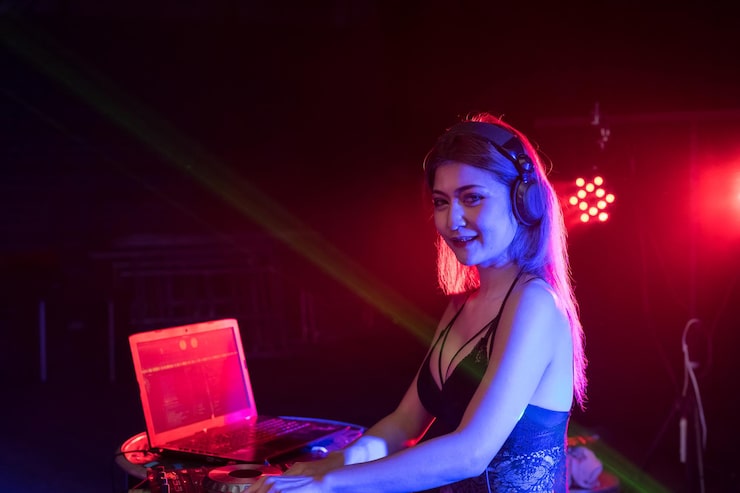
Virtual concerts are changing how fans enjoy music, how artists reach global audiences, and how online shows create new income and engagement opportunities.
Music has always brought people together. For many years, concerts meant standing in a crowd, waiting for the lights to drop, and hearing your favorite artist live on stage. That feeling is still special, but the way fans enjoy live music is changing fast. Virtual concerts now allow people to watch shows from home, join online fan spaces, and enjoy performances without traveling to a physical venue.
This shift is important for artists, fans, event teams, and music platforms. Online concerts, live streaming concerts, virtual reality concerts, and metaverse concerts are becoming part of the modern music experience. They help independent artists reach new listeners, give fans more access, and create new ways to enjoy live entertainment.
Why Virtual Concerts Are Growing Fast
Virtual concerts are growing because they solve real problems for both artists and fans. Traditional concerts need travel, tickets, hotels, parking, large crews, venue bookings, and many other costs. Online shows reduce many of these limits. A fan can join from a living room. An artist can perform for people in different cities or countries at the same time.
This does not mean physical concerts are going away. Live venues still matter. The energy of a real crowd is hard to replace. But online shows add another option. They make music more open, especially for fans who cannot travel, have limited budgets, or live far from major tour stops.
Virtual concerts also work well for smaller artists. A new singer, DJ, producer, or band may not have the money for a full tour. A live streaming concert helps them perform, sell tickets, share music, and build a fan base without waiting for a big venue deal.
How Online Concerts Help Artists Reach Global Fans
One of the biggest benefits of online concerts is global reach. A local artist can perform for fans in the United States, the United Kingdom, Canada, India, Australia, and other places without booking a world tour. This matters because music discovery now happens online. Fans find new songs through streaming platforms, social media, short videos, playlists, and music blogs.
A virtual show can turn those listeners into a stronger community. Fans who only heard one song can watch the artist perform, hear stories behind the music, and interact through chat, reactions, polls, and digital meetups. This makes the experience feel closer than a normal recorded video.
For independent artists, this is powerful. They do not need to wait for a record label or large promoter to notice them. They can build their own audience step by step. A small online show with loyal fans can lead to more streams, merch sales, email signups, and future ticket buyers.
Best Features of a Strong Digital Music Experience
A strong digital music experience needs more than a camera and a song. Fans want sound quality, easy access, smooth streaming, and ways to feel involved.
Clear Sound
Fans stay longer when music sounds clean, balanced, and easy to hear.
Easy Access
A simple link, clear ticket page, and smooth login reduce drop-offs.
Fan Interaction
Live chat, reactions, polls, and shoutouts make the show feel active.
Replay Options
Fans in different time zones can watch later if they miss the live event.
Why Fans Like Digital Music Experiences
Fans like digital music experiences because they are flexible. A person can watch from home, avoid travel costs, and still feel part of something live. This is useful for fans who live in smaller towns, have busy schedules, or cannot attend crowded events.
Online shows also give fans more choice. They can attend a global artist event one week, a small indie showcase the next week, and a VR music experience later. This variety keeps music discovery fresh. It also gives fans access to artists who may never visit their city.
Another reason is comfort. Some fans enjoy concerts but do not like packed crowds, long lines, or late-night travel. Virtual concerts give them a lower-pressure way to enjoy live music. They can still support artists, buy merch, and share the moment with friends online.
The Role of VR Music Experiences
Virtual reality concerts add a deeper layer to online music. Instead of watching a flat video, fans can enter a digital space. They may see a virtual stage, move around with an avatar, interact with other fans, and feel closer to the event.
A VR music experience can be simple or advanced. Some events use 360-degree video. Others create full digital worlds with animated stages, light effects, virtual merch booths, and fan zones. These features give artists more creative space than a normal stage.
This is useful for genres like electronic music, pop, hip-hop, gaming music, and experimental performance. Artists can design shows that do not need to follow physical rules. The stage can change shape. The background can move. The fan area can become part of the performance.
Metaverse Concerts and the Future of Live Music
Metaverse concerts are part of the next stage of online music. These events take place inside shared digital spaces where fans join with avatars. The goal is not only to watch a show. The goal is to attend, react, move, meet other fans, and explore the event space.
For artists, metaverse concerts create new creative options. They can sell digital tickets, limited digital merch, virtual meet-and-greets, fan badges, and exclusive access. They can also design shows around album themes, visual worlds, or fan communities.
For fans, the biggest value is access. A fan does not need to live near a tour city. They can join from anywhere with a device and a connection. This makes music feel more open, especially for younger audiences who already spend time in gaming, social platforms, and virtual spaces.
How Artists Earn From Virtual Concerts
Virtual concerts can create income in several ways. Ticket sales are the most direct option. An artist can sell access to a live show, a replay, or a special online event. Lower event costs may help smaller artists keep more control over pricing and planning.
Artists can also earn through merch, fan memberships, donations, sponsorships, paid meet-and-greets, exclusive songs, and digital collectibles. The best plan depends on the audience and the type of show.
- Sell tickets for live access and replay access.
- Offer limited merch during the event.
- Create VIP fan rooms or online meetups.
- Share exclusive acoustic versions or unreleased songs.
- Work with sponsors that match the artist’s audience.
AI Music Tools and Online Shows
AI music tools are also changing online shows. Artists use these tools for song ideas, sound design, mixing support, cover art, video visuals, setlist planning, caption writing, and fan content. These tools help speed up small tasks so artists can focus more on performance and connection.
AI tools can also support live events. They can help create visual backgrounds, translate lyrics, recommend songs based on fan data, or create short clips for promotion after the show. This makes event planning easier for independent artists with small teams.
Still, human creativity matters most. Fans connect with voice, story, emotion, and personality. AI can help with the process, but the artist’s identity should lead the show. The best online concert still needs real performance, good planning, and fan connection.
Online Concerts vs Live Concerts
Online concerts and live concerts both have value. A live concert gives fans the sound, crowd energy, lights, and physical feeling of being there. It is still one of the best ways to enjoy music. Online concerts offer access, comfort, lower cost, and global reach.
The best future may include both. An artist can perform in a physical venue and stream the same show to online fans. This hybrid format lets local fans attend in person while global fans join from home. It also gives artists more ways to sell tickets and grow their audience.
Fans do not need to choose one forever. They can attend a festival in person, watch a virtual concert at home, join a VR show with friends, and support artists across different formats.
How Musicians Can Plan a Better Virtual Show
A good virtual show needs planning. Artists should think about sound, lighting, platform choice, ticket page, promotion, timing, and fan interaction before going live. A weak setup can make even a good performance feel hard to watch.

Artists should also promote the event early. A single post is not enough. They can share rehearsal clips, short videos, countdowns, song previews, behind-the-scenes moments, and fan questions. This builds interest before the show starts.
- Test sound and video before the event.
- Choose a platform fans can use easily.
- Create a clear setlist with strong opening and closing songs.
- Add live chat, Q&A, or fan shoutouts.
- Offer replay access for fans in other time zones.
Why Music Marketing Matters for Online Shows
A virtual concert needs marketing. Fans cannot attend a show they never hear about. This is where social media for musicians, email lists, music promotion tips, and online fan groups become important.
Artists can promote online shows through short videos, live previews, playlist links, artist stories, fan challenges, and countdown posts. They can also work with blogs, podcasts, influencers, and other artists to reach more people.
The message should be simple. Tell fans what the show is, when it happens, where to watch, why it is special, and what they will get. Clear promotion helps turn casual listeners into ticket buyers.
What This Means for the Music Industry
Virtual concerts are not just a short trend. They are part of a wider change in the music industry. Fans now expect more digital access. Artists want more control. Platforms want stronger online communities. Brands want new ways to connect with music audiences.
The future of music will likely include physical tours, virtual concerts, VR music experiences, online fan clubs, AI tools, digital merch, and hybrid events. Artists who understand these formats can build stronger fan relationships.
For fans, the result is more choice. For artists, the result is more opportunity. For the music business, the result is a new mix of live performance, digital experience, and global access.
Conclusion
Virtual concerts are changing how music reaches people. They help artists perform for global fans, create new income streams, and build stronger online communities. Fans get more access, more comfort, and more ways to enjoy live music. Physical concerts still matter, but online shows, VR music experiences, and metaverse concerts are now part of the future. Artists who plan good sound, clear promotion, fan interaction, and creative digital experiences can stand out in this new music era.
FAQs
What are virtual concerts?
Virtual concerts are music performances that fans watch online. They can happen through live streams, apps, websites, VR platforms, or metaverse spaces.
Why do artists use online concerts?
Artists use online concerts to reach global fans, reduce event limits, sell tickets, promote music, connect with listeners, and build stronger fan communities.
Are virtual concerts better than live concerts?
Virtual concerts and live concerts offer different benefits. Live concerts give crowd energy, while virtual concerts offer access, comfort, global reach, and flexible viewing.
Explore the Future of Music Online
Read more guides about virtual concerts, music trends, online collaboration, VR experiences, and digital entertainment for modern music fans.